Latest Posts

What a Difference a Week Makes!

I can’t believe it has only been one week since I first posted about the garden!  In that short span of time, I’m happy to announce that we’re expecting…tomato babies!!!  Everything in both gardens (the traditional bed and the aquaponic) is growing beautifully!  The flowers are blooming and so are my allergies, but I can’t bear to not have flowers in the yard!

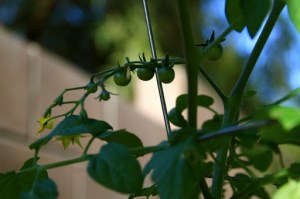
Tomato Babies! So exciting! (aquaponic bed)

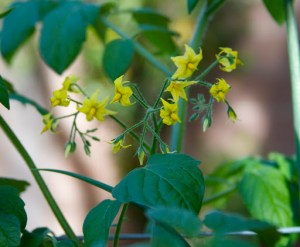
So many flowers!  I think we’re going to have a great crop! (aquaponic bed)

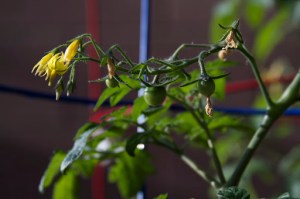
Tomatoes in the tradition garden bed

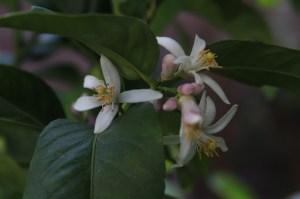
Lemon Blossoms

I am so excited about the baby lemon tree!  It’s so hard for me to have patience when starting with small trees.  We just planted the lemon tree last year and we harvested exactly ONE lemon this past winter!  I have high hopes for this year–the blooms are large and they smell so incredibly sweet!

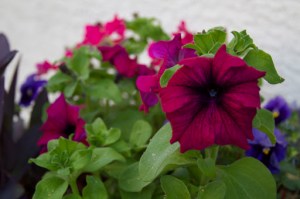
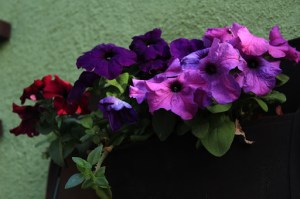
Pretty petunias in “wooley pocket”

Asparagus and Lemon Risotto/Cedar Plank Salmon

As you can probably tell, I’m more than a little enamored with asparagus right now.  We didn’t have a traditional Easter dinner this year, but I wanted to make this risotto recipe that I hadn’t made in years.  I love using the fresh asparagus because right now it’s in peak season, which means not only does it taste best right now, it’s very economical, as well.

It was also great to be able to use one of +Cher Chang‘s Meyer lemons that came fresh from her lemon tree!  Delicious!  I cannot wait for our baby lemon tree to bear fruit!  I was able to use all fresh herbs from the garden and that makes me very happy!

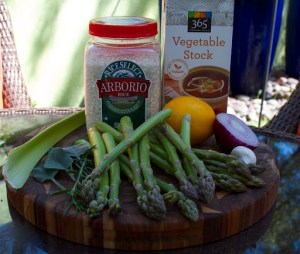
It is important that you have all of your ingredients prepped before you start making the risotto.  Unlike a lot of dishes, risotto requires near-constant stirring, so you won’t have time to stop and chop something in the meantime.
4 cups vegetable (or chicken) stock
1 and 1/4 cup arborio rice
1 pound asparagus, chopped into 1″ pieces
6 fresh sage leaves, minced
1 sprig rosemary, minced
1-2 cloves of garlic, mnced
1/2 red onion, minced
1 stalk celery, chopped small
zest and juice of 1/2 lemon
olive oil
grated parmesan cheese
salt and pepper

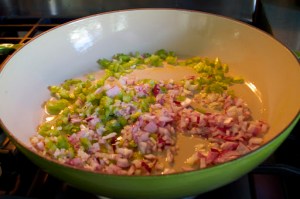
First, warm the stock in a separate saucepan and set aside a ladle–you’ll use this to add the stock to the risotto. Add about a tablespoon of olive oil to a pan and sauté the onion, garlic and celery for about four minutes.  Then add the rice to the pan and sauté to coat with the oil.  After about two minutes, add two ladlefuls of the stock to the rice mixture.  Stir constantly until most of the liquid is absorbed.  Continue to add the stock little by little, making sure that between each ladleful, the liquid is mostly absorbed.  After about 10 minutes of cooking, add the chopped herbs, lemon zest and the asparagus.  I made a last minute addition of sliced mushrooms and frozen green peas to the mix because it just seemed like a good thing to do (and it was)!  Continue cooking for another 10 minutes or so, or until the rice is tender.   Season with salt and pepper (to taste).  Add the lemon juice and parmesan cheese at the end.  Be careful not to let the mixture become dry.  If it does, just add more stock or other liquid.  I actually added a little white wine to it after I ran out of stock.

I also made this great cedar planked grilled salmon to go with it.  If you’ve never grilled salmon on a cedar plank, you should definitely try it!  It’s a very easy way to add wonderful, smoky flavor to salmon  (or any other fish for that matter) without having to go through the trouble of using an actual smoker.  Cedar planks are easily found in the grocery store these days, but I ordered a package of Cedar Grilling Planks in bulk from Amazon for a great price.

All you have to do is soak these planks in water for about an hour prior to grilling.  Preheat your grill to about 375 to 400 degrees fahrenheit.  Place the fish on the cedar plank and season to your liking.  I used salt, pepper, ancho chili powder and a squeeze of lemon juice.  Set the plank directly on the grill and cook for about 8-10 minutes.  Here’s a tip: don’t put the fish on the grill and then try to take photos of the risotto and forget about how long the fish has been cooking, thus overcooking the fish!  Yes, this happened, but it was still really, really, good!

Incidentally, this was a wild caught coho salmon.  It was less expensive than the wild caught Alaskan King Salmon, but had a mild flavor that I really loved.

Welcome Back Cocktail!

Mmmm…it’s 5 o’clock somewhere!

The Man of the House is on his way home from a business trip.  I think I’ll surprise him with this great cocktail that I found in the book “MixShakeStir”.  I made a few changes to the original recipe to suit my taste.

Welcome Back Cocktail

  • Servings: 1
  • Difficulty: easy
  • Print

3 slices English Cucumber
1 small piece of green chile (I used a small piece of Serrano pepper, about an inch long)
1 sprig fresh cilantro
1 1/2 ounce gin (I used Hendricks)
1/2 ounce freshly squeezed lime juice
1/2 ounce simple syrup (I had already prepared cucumber simple syrup on hand, so I used that)

First, fill your cocktail glass with ice.  Then muddle 2 slices of the cucumber, the cilantro sprig and the chile pepper in a cocktail shaker.  Pour the ice from the glass into the cocktail shaker, then add the gin, lime juice and simple syrup.  Shake, shake, shake! Strain and pour into the cocktail glass.  Cheers!

High Hopes! Gardening in the Desert

Gardening in the desert southwest has its own set of challenges.  This is our second year in our home and the third growing season for our little backyard garden, and lets just say, if we were relying on our garden to feed us, we would have died long ago!  The biggest challenge with desert gardening is the extreme heat in the summer and the fact that it hardly ever rains.  Another major challenge is that we really don’t have “soil” that we can readily plant in and must amend our soil with potting soil and lots of fertilizers and nutrients.  A third issue is our very hard water that also happens to have a high pH level.   The first year, we tried growing various herbs and vegetables in containers.  We learned that we were able to easily grow basil, parsley, rosemary and oregano in our containers, but we didn’t have good luck with thyme and sage and the tomatoes we planted either didn’t fruit at all, or gave us very tiny stunted fruit that was afflicted with blossom end rot.  Then cue the pests.  You name it, we had it–aphids, tomato hornworms, grubs.  It was as if a dinner bell was rung and all the pests came running!

Last summer, the husband created two gardens.  First he built a traditional garden bed in the ground, reusing some old cinderblocks from a built-in barbecue that was dismantled during a huge landscaping project (Reuse/Recycle!).  It’s not pretty, but it works! This garden has an irrigation system in place with a timer set to water at appropriate times and durations. The second garden is the husband’s “baby”–a small aquaponics setup that I have a feeling is not going to be small for very long.  More on that later!

Now, last year, because we were in the midst of the aforementioned landscape project, we didn’t get to plant the traditional garden until mid-late April.  I planted three tomato plants, an “Early Girl”, “Tomato-pineapple” and a “Beefmaster”.  These tomatoes didn’t do much better than the ones from the previous year, but I learned two important lessons.  One, April is too late to plant tomatoes in the desert because the temperatures start to soar before the plant is able to set fruit.  We were able to get a few tomatoes (maybe six) from the “Early Girl” variety and exactly two tomatoes from the “Tomato-pineapple” and the fruit was much smaller than expected. The “Beefmaster” didn’t produce any fruit at all, which was a big disappointment, leading me to tomato lesson number two:  large tomatoes are not the best choice for the desert.

All of this had lead to me being a bit tomato-obsessed this year.  This is the first year that we’ve been able to get the plants in the ground at the end of February.  We changed our strategy and planted small-sized indeterminate varieties.  The largest tomato we planted is a green zebra followed by Roma tomatoes and San Marzano’s.  The rest are cherry-type varieties and yellow pear tomatoes.  My hope is that due to their small size, they will reach their maturity long before the searing heat of July sets in.

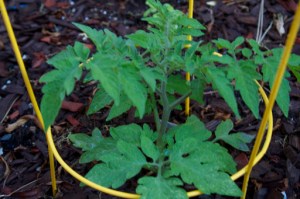
Tomato Sweet 100

San Marzano Tomato

Purple Sage

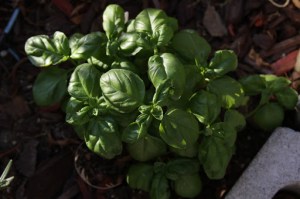
Basil

So, about that aquaponic garden.  I will have to get the husband to do a post about it, but I’ll try my best to explain how it works.  We have a 150 gallon pond that is home to ten hard-working goldfish.  The water from the goldfish pond (with their nutrient-rich poo) gets circulated through three “grow-beds” where the vegetables are planted.  Now, there is a lot of SCIENCE involved with this garden, as there is a delicate balance with the nutrient levels that I don’t feel equipped to explain.  Late last summer and into the winter, we had some really outstanding results with Serrano pepper plants that we were able to grow well into the winter until we had a hard freeze that killed them all (again with the extreme weather conditions!).

Goldfish hard at work!

This year, we have planted tomatoes, Serrano peppers, cucumbers, zucchini squash, yellow squash, eggplant, basil, two varieties of thyme, sage, parsley.  So far, the plants in the aquaponic garden are doing quite well, and I almost hate to say it, better than the traditional garden bed.  Believe me, there will be a little healthy competition between us to see who is able to get the best yields.

Aquaponic grow beds – powered by SCIENCE!

Aquaponic Serrano Pepper

Green Zebra Tomato
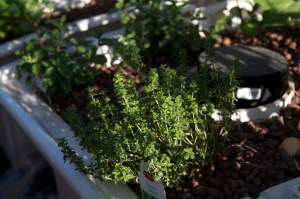
English Thyme
Parsley, Sage, Oregano in Aquaponic grow bed

So, I have high hopes that this will be the year that we will be able to eat lots of veggies from our garden.  Tomatoes and peppers and herbs, oh my!

Spring has Sprung! Polenta with Asparagus and Greens

This week we said an official good-bye to Winter and hello to my favorite season, SPRING!  Now, I understand that half of the country is still feeling the death throes of Old Man Winter, but we in Southern Nevada have had temperatures hovering in the 80s and 90s.  This is crazy weather and it’s not normal to be this hot so soon, but after an unusually chilly winter, I’ll take it.  Of course, heat this early in March does not bode well for us when July rears its head…

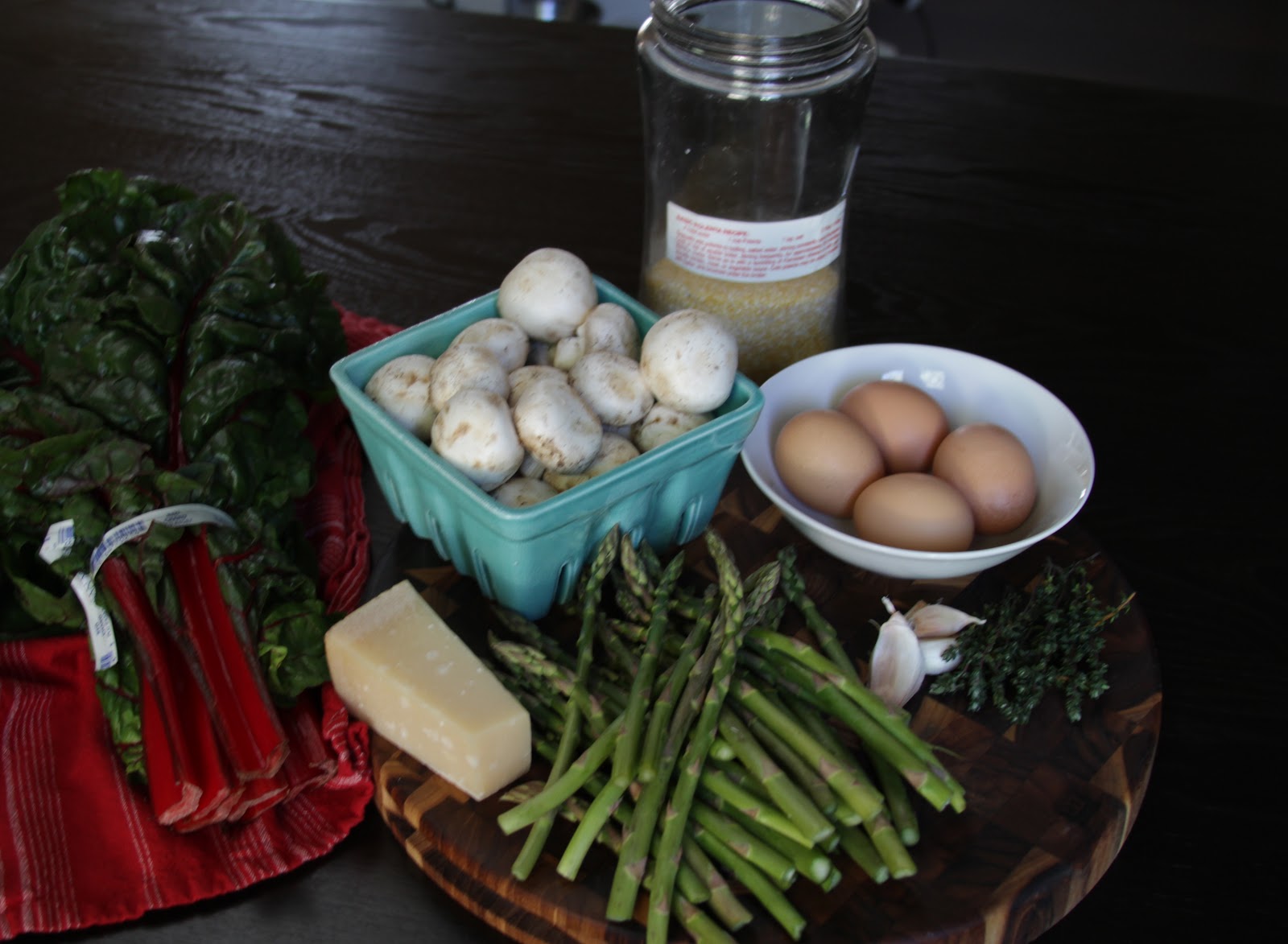
So, back to Spring!  I was browsing the internet looking for some cooking inspiration and came across a photograph of a beautiful polenta and asparagus dish served at AOC restaurant in Los Angeles.  I’ve never eaten at this restaurant, but the photograph intrigued me so much that I had to recreate it at home.  You see, it combined two ingredients that just scream Spring for me:  asparagus and six-minute eggs.  Now, six-minute eggs have flummoxed me in the past because I’ve never been able to peel them without tearing off half of the whites along with the eggshell, but thanks to some sage advice from an old friend who suggested adding vinegar to the boiling water, they peeled beautifully.  I just love an oozy yolk!  This dish would be equally wonderful with a poached egg on top, but a six-minute egg is less high-maintenance!
For perfect six-minute eggs, first allow the eggs to come to room temperature.  Prepare a separate bowl with water and ice cubes.  Bring a pot of water to boil and add a splash of white vinegar to the water.  I don’t know why this works, but, trust me, it makes a world of difference when it comes to peeling them. Carefully slip the eggs into the boiling water and set a timer for six minutes for large size eggs.  Subtract or add 30 seconds for medium or extra-large eggs, respectively.  After they have boiled for six minutes, remove the eggs and place them immediately in the ice water bath.   After the eggs have cooled, peel and set aside.  To serve the eggs warm, put them into a bowl with hot (not boiling) water for a few minutes prior to serving.

For the herbed polenta:

1 cup polenta
2 cups chicken broth or stock
1 cup milk
1 sprig of thyme, minced
1 sprig of rosemary, minced
1 clove of garlic, minced
1 tablespoon olive oil
1/4 cup of parmesan cheese
1 tablespoon butter
pinch of salt

In a saucepan, slowly heat the olive oil and add the garlic, rosemary and thyme, stirring for about two minutes so that the herbs release their fragrance.  Add the stock, milk and salt and bring the liquid up to boiling.  Slowly whisk in the polenta and lower the heat to low, stirring frequently for about 25 minutes.  Stir in butter and parmesan cheese.

Trim and wash a pound of asparagus.  Place in a shallow baking dish and season with a drizzle of olive oil, salt and black pepper.  Place under the broiler for approximately 10 minutes or until tender .
Greens cook quickly and can be done during the time that the asparagus are in the broiler.  
1/2 pound sliced mushrooms
1 bunch red chard, stalks removed and leaves roughly chopped
1 small shallot, minced
2 cloves garlic, minced
1/2 cup green peas (optional) I had to used canned peas, but fresh peas would have been ideal. Frozen peas would work great, as well
splash of white wine or chicken stock
1 tablespoon each, chopped parsley and basil
salt, pepper
Sauté the mushrooms in batches in olive oil with a pinch of salt until they have released their liquid and are golden brown.  Be careful not to put too many mushrooms in the pan at the same time, or they will steam and not get that nice, browned exterior.  Remove the mushrooms and sauté the garlic and shallot for about 2-3 minutes until softened.  Add the chopped greens and mushrooms to the pan, then add the splash of white wine or broth.  Cover the pan for about a minute or until the greens have wilted.  Add the peas, herbs, salt and pepper to taste and cook for an additional 2-3 minutes.  
Serve the polenta in a bowl topped with the sautéed vegetables and the broiled asparagus.  Slice the eggs in half and serve alongside the polenta.  We had this dish for dinner, even though the original dish was made for brunch.  It was a great way to celebrate the first official day of Spring!

Bright Sunshiny Day

Last Friday, the weather was absolutely gorgeous, and since I had to take a furlough day, I decided to make the most of it and get out of the house and get some fresh air (and some much needed exercise)!

Friday, March 1, the first day it felt like Spring here in the Desert Southwest

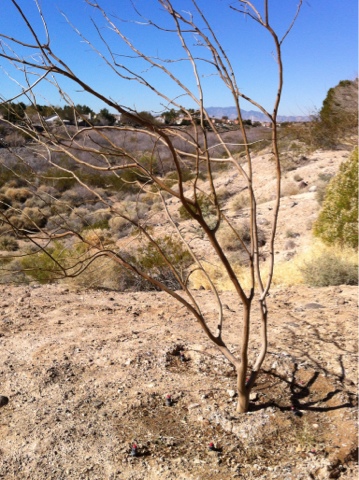
The trail where I walk is next to a wash, which is a type of flood channel here in the desert.  You can see the scrubby brush and tumbleweeds in the background.  The wash is a very dangerous place when it rains, but afterwards everything is green and beautiful and teeming with life!

Naked boughs, with view of the wash in the background

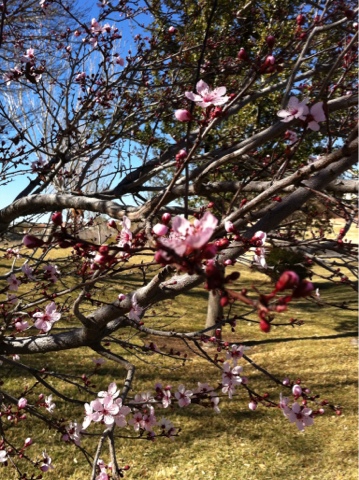
It’s so exciting to see the trees burst into bloom! I hope I never lose that feeling of wonder every Spring!

Ornamental Plum trees in bloom
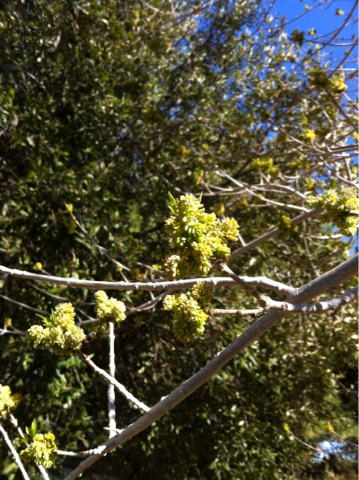
Budding leaves!

A Time to Learn

One of my favorite movies is Star Trek: Insurrection.  In it, a group of people called the Ba’Ku live in harmony with nature and are essentially immortal–living for hundreds of years before they decide what they want to do when they “grow up”, all while wearing comfortable natural fibers!  How awesome would it be to spend, oh, fifty to a hundred years learning how to perfect a skill?  Well, last time I checked, I am not immortal and there are a finite number of years with which to work.

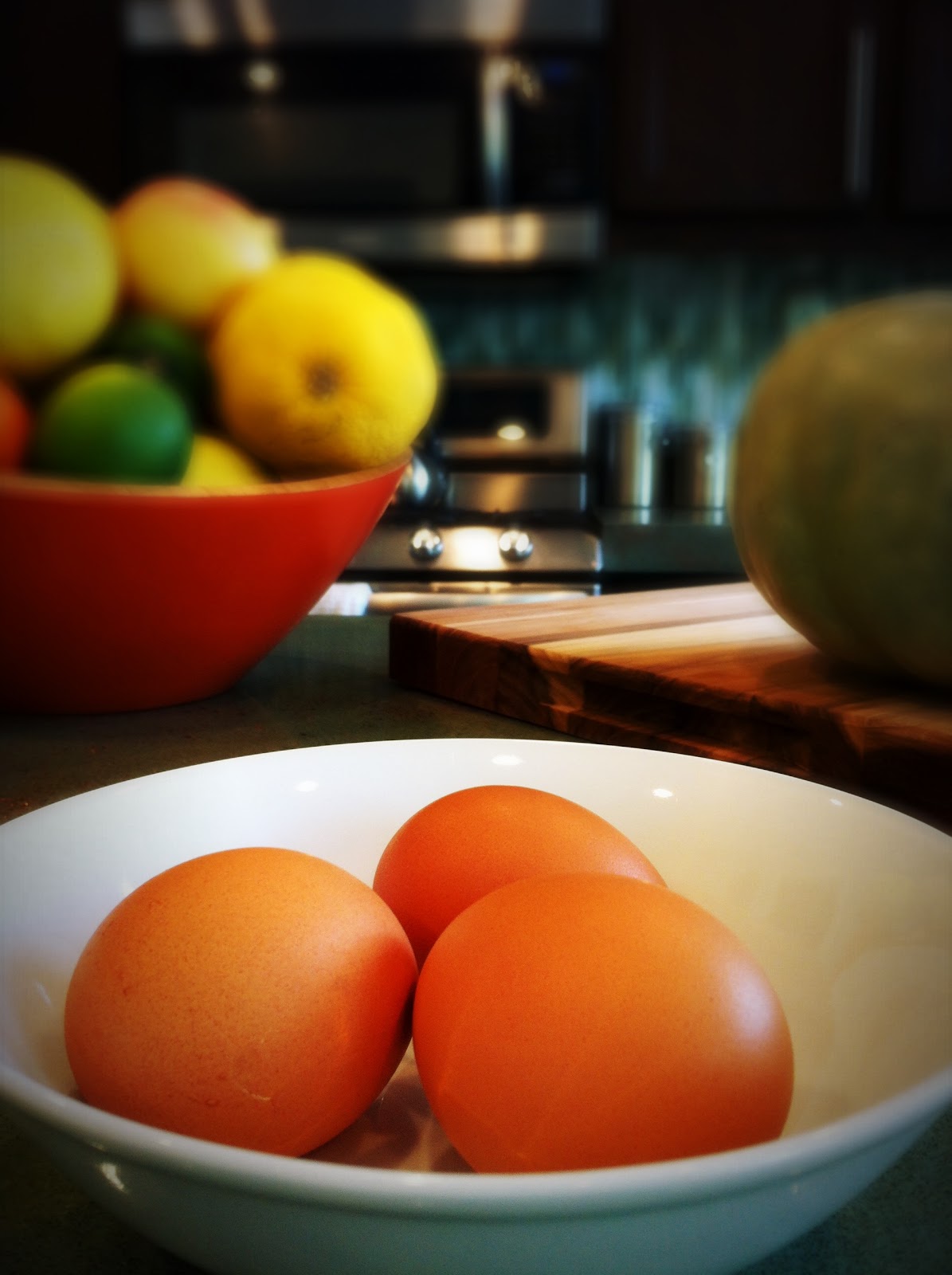
That being said, I am struggling with learning an essentially new skill–photography.  I have been frustrated with my food photography lately but at the same time, felt like I couldn’t afford to spend time fixing the issue–so many things to do!  So, I’ve resolved to work on it and patiently learn, which is a challenge for me because I always want to put the cart before the horse!

I have a lot to learn, but I’m really excited to slow down and focus on developing this skill, even if it takes the next fifty years!  Ok, not fifty…